No. 01
Coasts
The Windward Road, Driven at Fifteen Miles an Hour
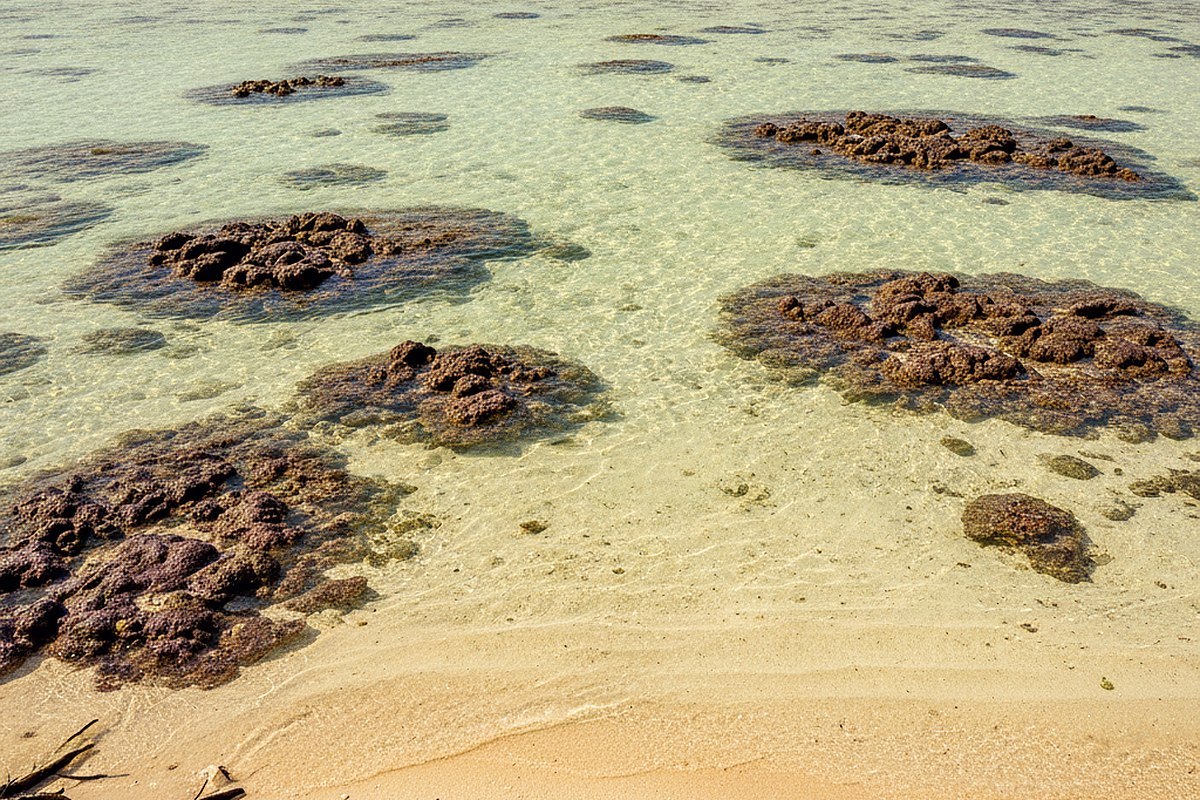
Two days on the wet side of the island with no reservations and no schedule, learning that the road is the destination and the pullouts are the itinerary.
Read the story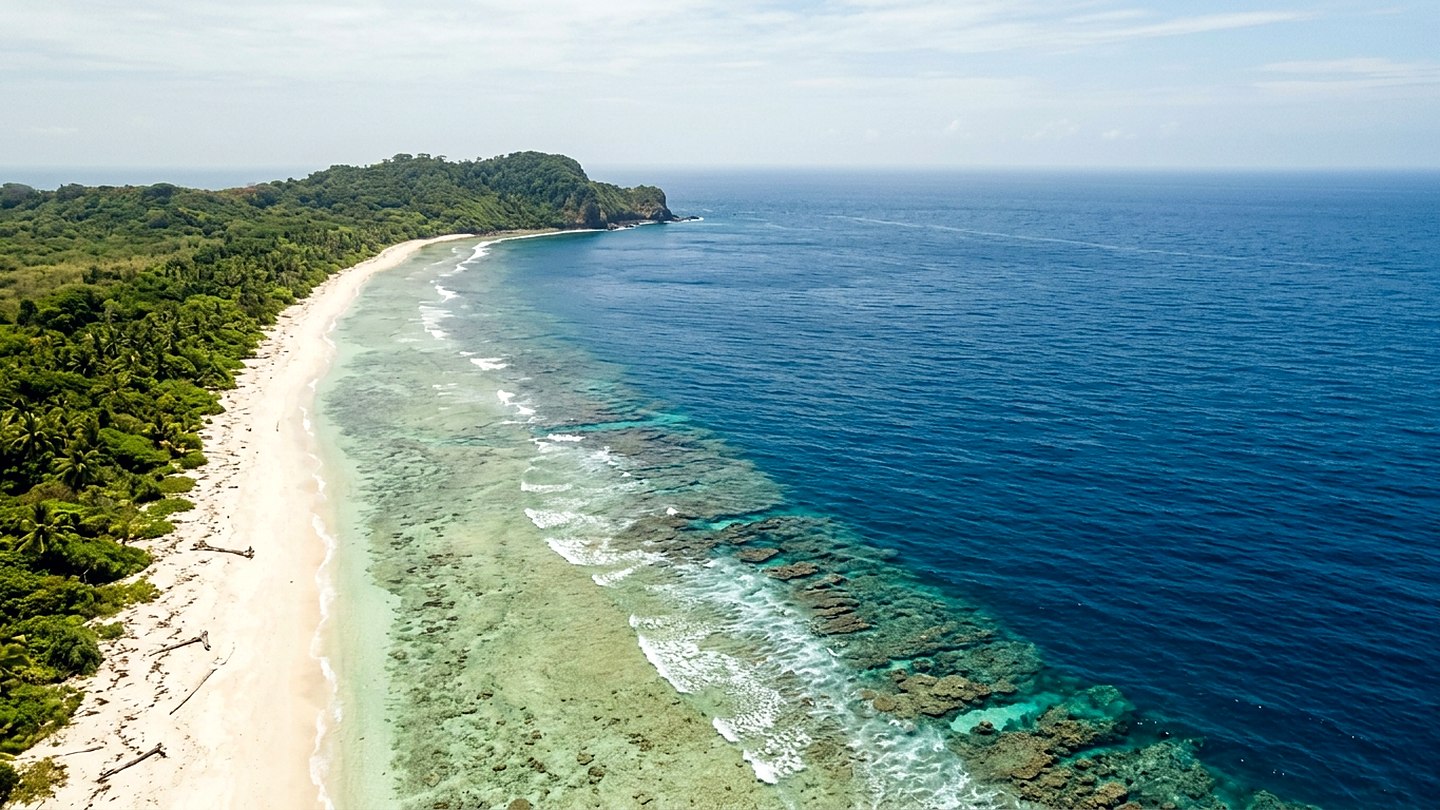
The index
Where to start
Everything published here sits in one of two boxes. Coasts are places, worked slowly, usually over several days, and photographed on the same trip they describe. Field notes are methods, written down after they had been used enough times to be worth trusting.
There is no archive to dig through and no tag cloud to get lost in. Five pieces, listed newest first inside each box, each one long enough that it is worth sitting down for. If you are starting from nothing, take the windward road piece first: it explains the pace everything else is written at.
No. 01
Coasts
Two days on the wet side of the island with no reservations and no schedule, learning that the road is the destination and the pullouts are the itinerary.
Read the story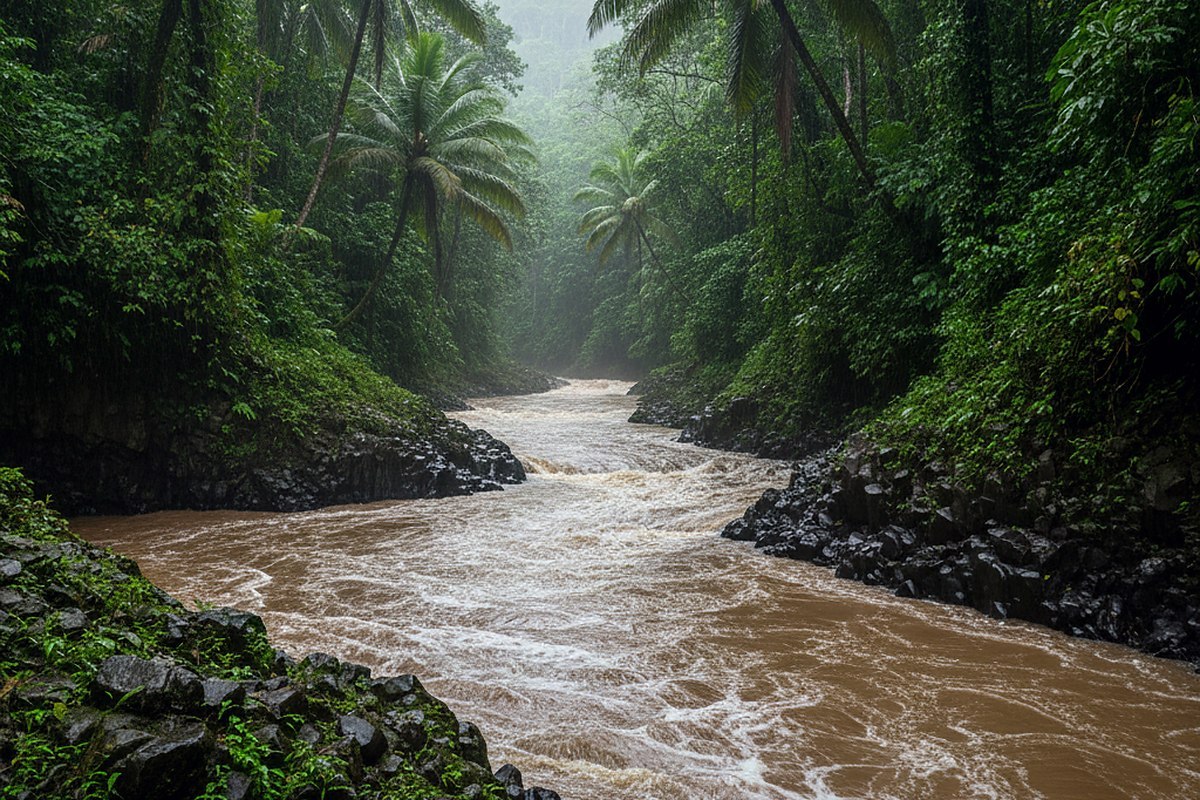
No. 02
Coasts
Nine days on the rain side of Hawaii Island in February, where the forecast is always the same and the town has arranged its whole life around that fact.
Read the story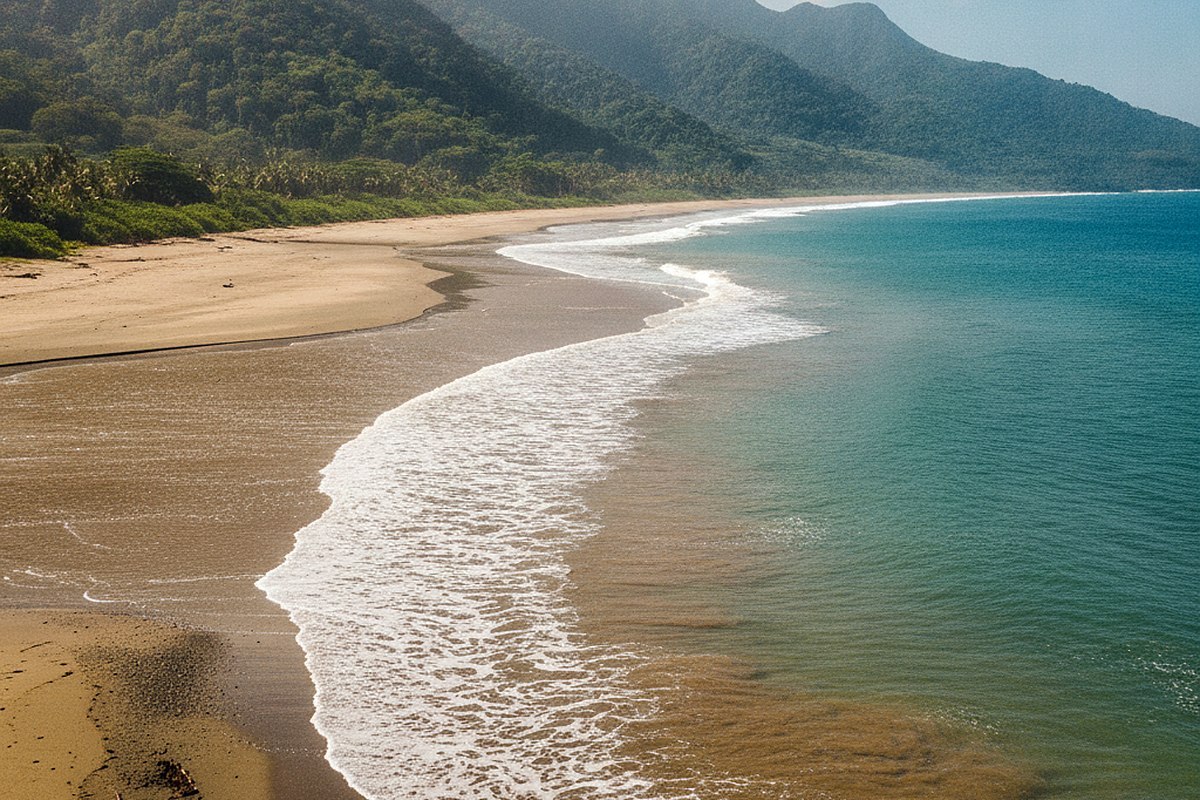
No. 03
Coasts
Roads reopening one at a time, rivers the color of milky tea, and a coastline that spends the days after heavy weather quietly putting itself back together.
Read the story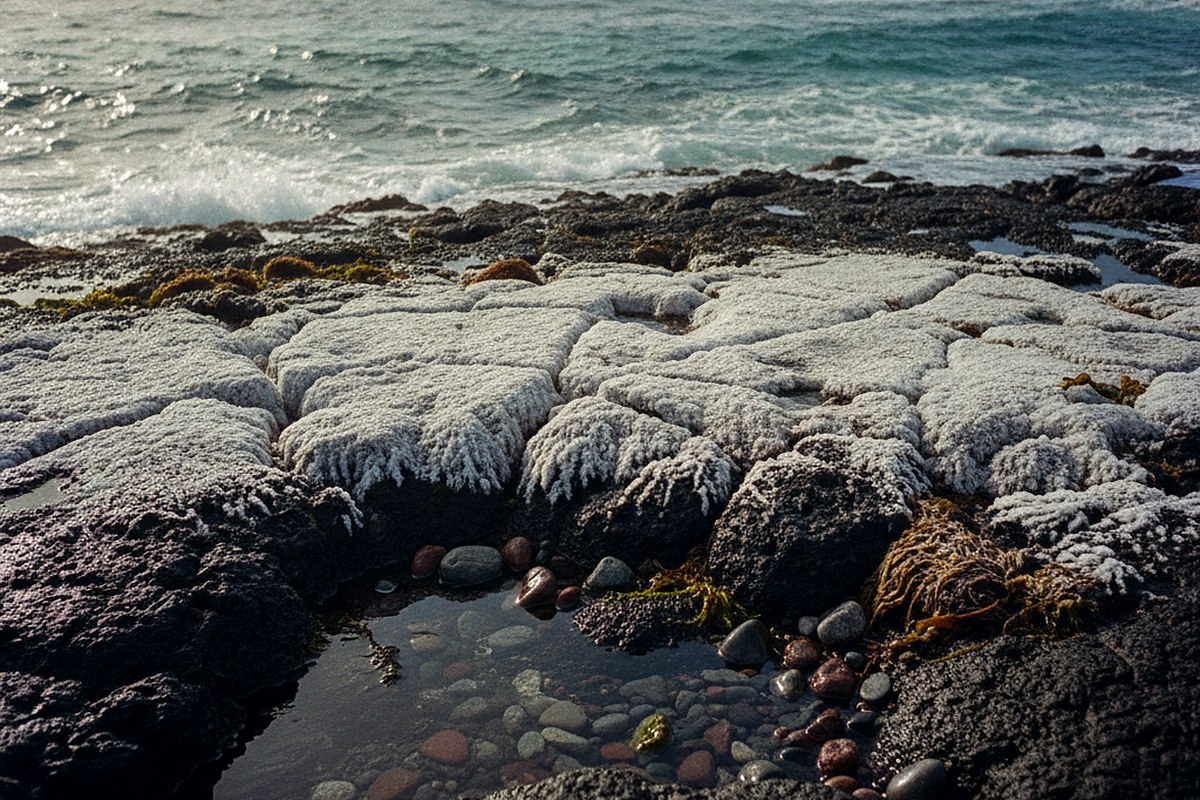
No. 01
Field notes
Fifteen minutes of standing still and paying attention will tell you more about a piece of coast than an hour of walking around on it, and it costs nothing at all.
Read the story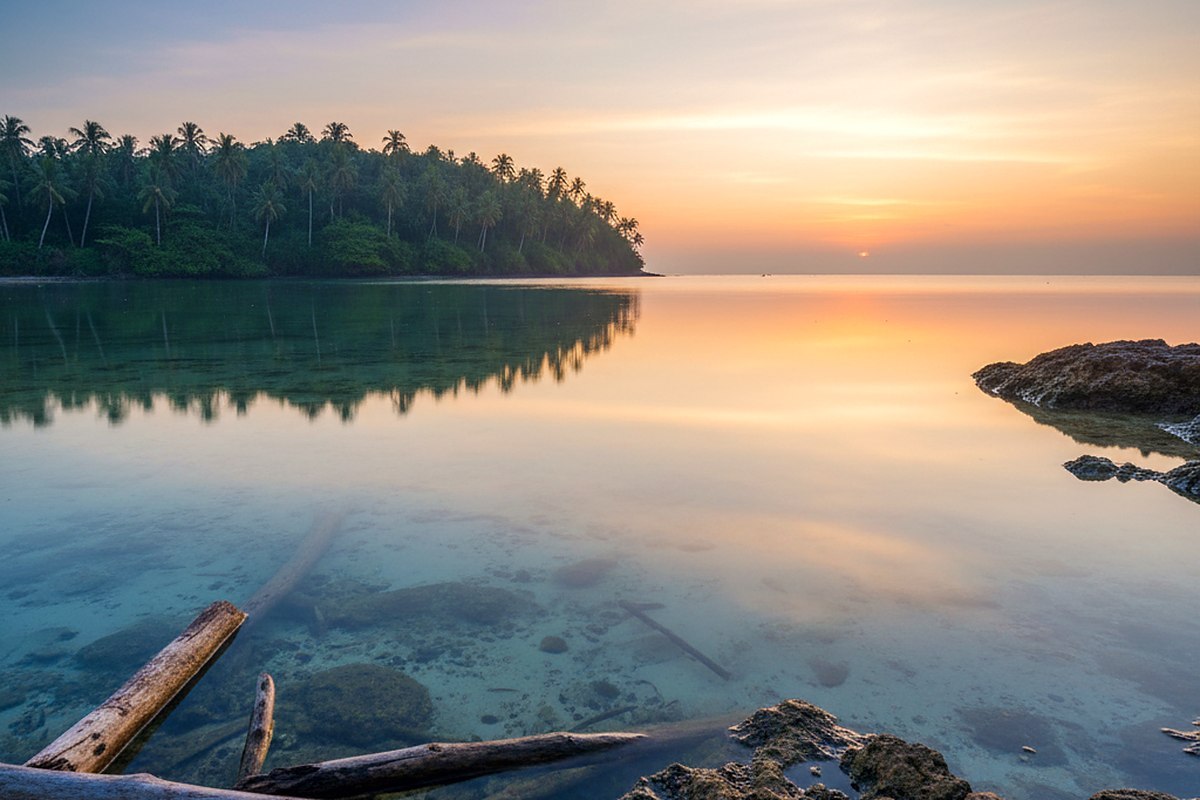
No. 02
Field notes
One subject, one stretch of coast, thirteen hours, and a set of frames that are only interesting because the water was never doing the same thing twice.
Read the story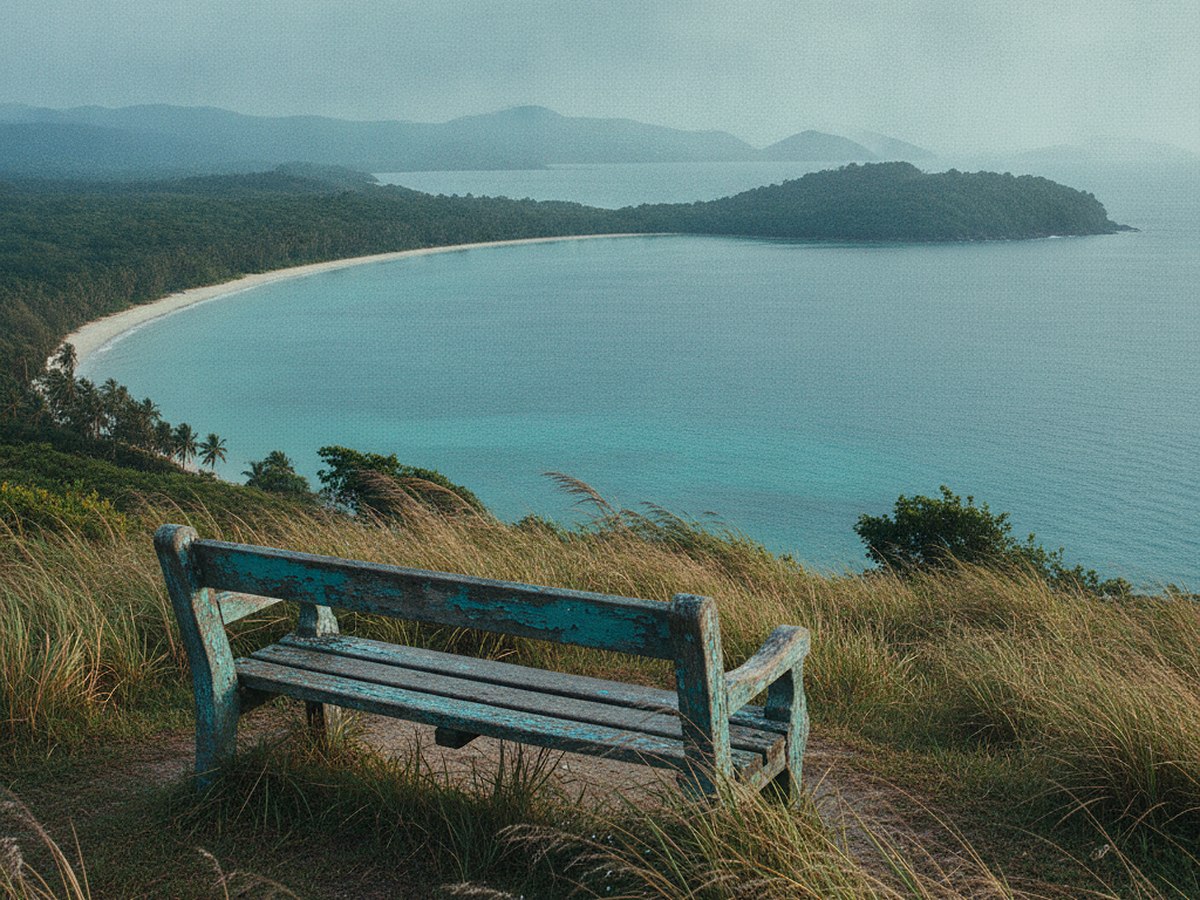
Every story here follows the same working shape, which is worth stating plainly so you know what you are reading. I go to one place and stay in it. I photograph it across whole days rather than at the two hours everybody photographs. I write the piece a month later, when the loud first impressions have worn off and whatever survived the wait is usually the part that belongs on the page.
Nothing here is sponsored, gifted, or arranged. There are no affiliate arrangements, no advertising partnerships behind a mention, and no commercial relationship of any kind with a place that appears in a story. When a town, a road, or a bay is named it is because I was standing in it. Where a detail may have changed since I visited, the story says so, and corrections sent to the desk are made at the top of the piece rather than folded in quietly.
The practical blocks at the end of each story are the part I would want if I were reading someone else. They record what the trip actually took in hours and days, what I would do differently, and where I turned back. Nothing in them is a recommendation to do the same thing, and none of it replaces local signs, local advice, or a lifeguard.